|
Butenafine dosages: 15 mg
Butenafine packs: 1 tubes, 2 tubes, 3 tubes, 4 tubes, 5 tubes, 6 tubes, 7 tubes, 8 tubes, 9 tubes, 10 tubes
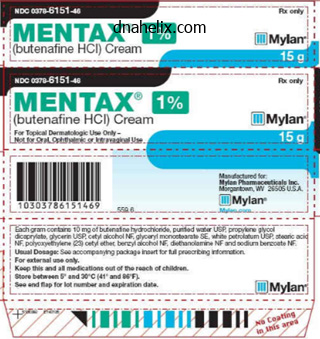
Cheap butenafine 15gm mastercardCorticalization of motor management in humans is a consequence of mind scaling in primate evolution. The mobile and molecular landscapes of the growing human central nervous system. A small step for the cell, an enormous leap for mankind: a speculation of neocortical expansion during evolution. Changes in cell-cycle kinetics during the development and evolution of primate neocortex. Neocortical malformation as consequence of nonadaptive regulation of neurogenetic sequence. Molecular and morphological heterogeneity of neural precursors within the mouse neocortical proliferative zones. Distinct behaviors of neural stem and progenitor cells underlie cortical neurogenesis. Coexistence of widespread clones and large radial clones in early embryonic ferret cortex. Neurogenic radial glial cells in reptile, rodent and human: from mitosis to migration. Regulation of cerebral cortical measurement by control of cell cycle exit in neural precursors. Recent progress towards understanding the molecular biology of von Recklinghausen neurofibromatosis. Radiologic-pathologic correlation in focal cortical dysplasia and hemimegalencephaly in 18 youngsters. Epidermal nevus syndrome: a neurologic variant with hemimegalencephaly, gyral malformation, psychological retardation, seizures, and facial hemihypertrophy. The radiological features of hemimegalencephaly including three instances related to proteus syndrome. Single-neuron sequencing evaluation of L1 retrotransposition and somatic mutation in the human brain. Single-cell, genome-wide sequencing identifies clonal somatic copy-number variation in the human brain. Focal dysplasia of the cerebral cortex and infantile spasms associated with somatic 1q21. Equal numbers of neuronal and nonneuronal cells make the human brain an isometrically scaled-up primate mind. The changing number of cells in the human fetal forebrain and its subdivisions: a stereological analysis. Cell proliferation and migration within the primitive ependymal zone: an autoradiographic research of histogenesis within the nervous system. Autoradiographic evaluation of time of origin of nuclear versus cortical components of mouse telencephalon. Cell cycle parameters and patterns of nuclear motion in the neocortical proliferative zone of the fetal mouse. Numbers, time and neocortical neuronogenesis: a general developmental and evolutionary model. The leaving or Q fraction of the murine cerebral proliferative epithelium: a basic mannequin of neocortical neuronogenesis. Contributions of cortical subventricular zone to the event of the human cerebral cortex. Human cortical neurons originate from radial glia and neuron-restricted progenitors. Calcium waves propagate by way of radial glial cells and modulate proliferation within the growing neocortex. The medial ganglionic eminence offers rise to a population of early neurons within the developing cerebral cortex.
Hydroxocobalaminum (Vitamin B12). Butenafine. - Are there safety concerns?
- Treatment and prevention of vitamin B12 deficiency, and diseases caused by low vitamin B12 levels.
- Improving thinking and memory in people aged 65 and older, when used in combination with vitamin B6 and folic acid.
- What is Vitamin B12?
- Are there any interactions with medications?
- What other names is Vitamin B12 known by?
- Dosing considerations for Vitamin B12.
Source: http://www.rxlist.com/script/main/art.asp?articlekey=96890
Purchase butenafine overnightType I fibers are usually concerned with sluggish, sustained activities and are wealthy in oxidative enzymes. The free fatty acid that serves as a source of energy is derived primarily from blood. To be used for the manufacturing of high-energy phosphate, free fatty acids initially have to be activated to their respective coenzyme A (CoA) derivatives (Box 30. Carnitine, the obligatory carrier of those derivatives throughout this membrane, is actively transported into muscle. The importance of lipids for power manufacturing in muscle is emphasized by the incidence of certain myopathies associated with derangements in this pathway (see Chapter 33). As will turn out to be apparent later, dysmorphic features, cardiac abnormalities, respiratory insufficiency, hepatomegaly, and the like may be features of certain problems of the motor system. Congenital hip dislocation and other joint contractures are significantly frequent features in neonatal motor problems; these and associated joint abnormalities are mentioned in more element later. The neurological evaluation of the motor system is mentioned in detail in Chapter 9. As defined later, the anatomical web site of a dysfunction of the motor system is best ascertained by careful willpower of muscle bulk, energy, tone, tendon reflexes, main neonatal reflexes, and the presence or absence of myotonia, myasthenia, and fasciculations. Other neurological features, similar to abnormalities of cranial nerve function, sensory ks f Physical Examination Creatine Kinase. Values within regular limits are often noticed with neonatal myotonic dystrophy and incessantly with congenital myopathies. The importance of buying a cautious history is incessantly ignored in the analysis of the toddler with a motor disorder. The pertinent historic features wi1ll turn out to be apparent within the subsequent discussions of the varied disorders. However, sure findings that originally will not be considered relevant to a motor abnormality. The myotonia and facial weakness of myotonic dystrophy or the pes cavus and leg weakness of familial polyneuropathy are easily ignored in plenty of affected adults. Simple radiographs of the ribs and lengthy bones typically present marked thinning, hypomineralization, and, often, diaphyseal fractures, triggered most likely by intrauterine immobility. Also, examinations of the operate of cardiac muscle (electrocardiogram, echocardiogram) and even clean muscle (barium swallow and upper gastrointestinal series) could also be useful adjuncts. In disorders of the anterior horn ks ks oo oo eb o eb eb okay sf cell, spontaneous fibrillations. Important data is obtained with the muscle at relaxation and with spontaneous or elicited. The median, ulnar, tibial, and peroneal nerves are often studied initially; floor electrodes are enough for adequate measurements. Determining the distal sensory nerve action potential in the median nerve is essential within the evaluation of peripheral neuropathy as a result of the discovering of a standard sensory nerve action potential is sufficient to exclude an abnormality between the dorsal root ganglion and the distal sensory nerve. Nerve conduction velocity is especially depressed in problems related to demyelination or failure of myelination and is much less severely depressed in problems of the axon (see Chapter 18). Nerve conduction velocities are normal in problems of the neuromuscular junction as well as in disorders of muscle. The normal potential is summated and is derived from individual muscle fiber potentials of a motor unit. The amplitude, length, number, and conformation of the motor unit potential are observed. The amplitude and length of the motor unit potential relate to the number of muscle fibers innervated by the anterior horn cell for that motor unit. The variety of motor unit potentials noticed is decided principally by the number of functioning anterior horn cells. Polyphasic potentials, normal in small amounts, occur when the muscle fibers of the motor unit are unusually numerous, are separated by increased distance, or both. The higher trace shows a normal "interference pattern" ensuing from the summation of motor unit action potentials on contraction; the baseline is obliterated. The lower trace shows a traditional single triphasic motor unit motion potential (note that the time scale is faster). Fasciculation potentials, which originate from "irritable" anterior horn cells, are massive and are of long length as a result of the territory of the affected motor neuron is expanded, secondary to reinnervation of adjoining denervated muscle fibers by terminal axonal sprouts.
Cheap butenafine 15gm overnight deliveryNearly all newborns (95% to 95%) with seizures received phenobarbital at similar dosing (30 to 33 mg/kg). There are many printed critiques that summarize clinical approaches to neonatal seizure management. A important correlation was found between the duration of seizure patterns and the severity of mind harm in the blinded group, as nicely as in the whole group. The aim of therapy is the elimination of electrical seizure exercise, based on the truth that many seizures in the newborn toddler are clinically silent. Adequacy of Treatment the toddler exhibiting repeated seizure activity must be handled promptly. Although there are many data gaps associated to neonatal seizure management, a scientific approach to administration (as mentioned earlier) is efficacious. The strategy described in previous editions of this guide is similar to that recommended by others after systematic literature evaluations. For example, a 2004 Cochrane Database Systematic Review recognized solely two randomized, controlled trials associated to neonatal seizures, and the authors concluded that there have been inadequate information to suggest one anticonvulsant treatment over different drugs. As administration progresses, the aim of whole elimination of electrical seizure exercise might have to be adjusted based on particular person circumstances. Although the aim of remedy is generally complete or near-total elimination of electrographic seizures,173 in some newborns the doses of anticonvulsant drugs required lead to potentially harmful disturbances of cardiac operate, blood stress, and ventilation. For example, as a outcome of a newborn with cardiovascular instability might not tolerate a number of anticonvulsant drugs, the aim could evolve towards lowering seizure burden as much as attainable without worsening cardiovascular perform. Similarly, if a diagnosis of brain malformation or different neonatal-onset epileptic encephalopathy is made, the aim may be to reduce seizures as a lot as possible with an anticonvulsant medication regimen that retains acceptable alertness for long-term use. There is various familiarity and availability of these medicines between establishments and nations, so follow is partially hospital particular. Before reviewing the person elements of the sequence of remedy, you will want to emphasize that before instituting any anticonvulsant remedy, the physician should assess and handle ventilation and perfusion. Neonatal seizures�part 2: aetiology of acute symptomatic seizures, remedies and the neonatal epilepsy syndromes. Careful surveillance of respiratory effort is important under these circumstances. The aim is to achieve a phenobarbital blood focus of approximately 40 �g/mL. Plasma levels of phenobarbital achieved following the preliminary intravenous dose in human newborns with seizures. Seizures were controlled (defined as a seizure-free interval of 24 hours) in significantly more newborns with phenobarbital (72%) than phenytoin (15%). Overall seizure cessation occurred in significantly more newborns who obtained phenobarbital first than phenytoin first (91% vs. The seizure burden was decreased by 14 minutes (74% reduction) in the first hour after the administration of phenobarbitone, but the reduction was momentary and never important within 4 hours. In addition, only phenobarbitone doses of 20 mg/kg resulted in a major discount at 1 hour. In addition, excessive levels appreciably sedate the newborn for several days, thereby impairing neurological analysis, and will result in poisonous effects on the cardiovascular system. Certain pharmacological properties of phenobarbital are useful within the treatment of neonatal seizures. Despite the regarding opposed profile of phenobarbital on neurons in experimental fashions, there are some information that phenobarbital-related discount in seizures would possibly yield more favorable neurobehavioral outcomes. A prospective cohort of 42 newborns with hypoxic�ischemic encephalopathy treated with therapeutic hypothermia were both administered phenobarbital (20 mg/kg) prophylactically (20 newborns) or provided that clinical seizures occurred (22 newborns). On univariate analysis, using prophylactic phenobarbital was associated with a decreased incidence of seizure in the neonatal interval (15% with prophylaxis vs. On multivariate evaluation, which integrated additional scientific options, such as delivery weight and Apgar scores, the use of prophylactic phenobarbital was related to more favorable neurodevelopmental outcomes. In the newborn who continues to expertise electrographic or clinical seizures after as much as forty mg/kg of phenobarbital or in the severely asphyxiated toddler in whom less than the total phenobarbital loading dose is deemed acceptable because of cardiopulmonary considerations, phenytoin or fosphenytoin is usually administered as second-line medication. The usual loading dose is 20 mg/kg for phenytoin or 20 phenytoin-equivalents/kg for fosphenytoin. When this method is utilized in newborns who proceed to exhibit electrographic seizures after 40 mg/kg of phenobarbital, approximately 15% more expertise seizure cessation.

Order butenafine 15gm overnight deliveryDuctus venosus shunting in growth-restricted fetuses and the impact of umbilical circulatory compromise. Does cranial ultrasound imaging determine arterial cerebral infarction in time period neonates Magnetic resonance picture correlates of hemiparesis after neonatal and childhood middle cerebral artery stroke. Risk of recurrent childhood arterial ischemic stroke in a population-based cohort: the significance of cerebrovascular imaging. Neonatal hypoxia/ischemia is related to decreased inflammatory mediators after erythropoietin administration. Feasibility and safety of erythropoietin for neuroprotection after perinatal arterial ischemic stroke. Mesenchymal stem cell transplantation attenuates mind harm after neonatal stroke. Participatory design in the development of an early remedy intervention for perinatal stroke. Transcranial direct current stimulation for youngsters with perinatal stroke and hemiparesis. Antithrombotic treatment in neonatal cerebral sinovenous thrombosis: outcomes of the ks f 329. Neonatal cerebral sinovenous thrombosis: sifting the proof for a diagnostic plan and treatment technique. Alleviation of neonatal sinovenous compression to enhance cerebral venous blood circulate. Incidence and prognosis of unilateral arterial cerebral infarction in newborn infants. Fetal neuropathology of proliferative vasculopathy and hydranencephaly-hydrocephaly with a quantity of limb pterygia. Electroencephalographic abnormalities in infants with hypoplastic left heart syndrome. Cranial ultrasound and magnetic resonance imaging in hypoxic-ischaemic ks f ok s ks oo oo eb o 30. Multicystic encephalopathy-a polyetiologic condition in early infancy: morphologic, pathogenetic and medical aspects. Fall einer intrauterinen Hirnschadigung nach einer Leuchtgasvergiftgung der Mutter. Renal impairment, hypertension, and encephalomalacia in an toddler surviving severe intrauterine anoxia. Infantile multicystic encephalomalacia after maternal bee sting anaphylaxis during being pregnant. Cerebral, renal and splenic lesions due to fetal anoxia and their relationship to malformations. Prenatal stroke advised by intrauterine ultrasound and confirmed by magnetic resonance imaging. Destructive mind lesions of presumed fetal onset: antepartum causes of cerebral palsy. Ventral porencephaly: a cerebral defect related to multiple congenital anomalies. Congenital hydrocephalushydrencephaly in 5 siblings, with post-mortem studies: a model new disease. Proliferative vasculopathy and an hydranencephalic-hydrocephalic syndrome: a neuropathological research of two siblings. Congenital hydranencephalic-hydrocephalic syndrome with proliferative vasculopathy: a attainable relation with mitochondrial dysfunction. Clinical options and magnetic resonance imaging in congenital and childhood stroke. Ischemic cerebral harm, intrauterine growth retardation, and placental infarction. Intrauterine disseminated intravascular coagulation: a syndrome of a number of pregnancy with a lifeless twin fetus. Multicystic encephalomalacia of infants and its relation to abnormal gestation and hydranencephaly. Congenital hydranencephaly/ porencephaly because of vascular disruption in monozygotic twins.
Buy discount butenafine 15gm on lineMore detailed analysis of auditory function, including electrophysiological measurements. With the face at rest, consideration must be paid to the vertical width of the palpebral fissure, the nasolabial fold, and the position of the corner of the mouth. Examination of the face ought to by no means be restricted to remark of elicited movements. Subtle lesions at all central ranges are finest detected by close observation of the onset of movement. The energy of masseters and pterygoids can be dependent on the motor operate of the trigeminal nerve. The importance of tongue function, notably the "stripping" motion of the medial tongue, has been demonstrated in ultrasonographic and fiberoptic studies of neonatal feeding. These findings are of specific interest in view of data suggesting that intensity and pitch discriminations could also be mediated at subcortical levels, whereas cortical levels are required for the discrimination of temporal patterns. Similarly, a magnetoencephalographic examine using a paradigm primarily based on sound discrimination and essential in auditory cognitive function demonstrated constructive responses in newborns shortly after start. The main features of the motor examination to be evaluated in the neonatal period are muscle tone and the posture of limbs, motility and muscle energy, and the tendon reflexes fre fre re. Motor Examination co Taste is evaluated only not often in the neonatal neurological examination. The new child toddler is very responsive to variations in taste and is capable of sharp discriminations. Lipsitt and associates used numerous parameters of sucking habits, not only to define gustatory discriminations but additionally to examine studying processes in the newborn. It was presumed from these information that the new child toddler "hedonically displays oral stimuli and alerts the pleasantness of such stimuli with the center price as an indicator response. The parameters of interest are the size and symmetry of the muscle, the exercise at relaxation, and the motion. The important function of the tongue in oral feeding was mentioned in relation to sucking and swallowing. One helpful maneuver with the full-term toddler is to gently extend the top over the facet of the mattress with the kid in the supine place. Passive rotation of the head reveals the configuration and bulk of the muscle, and performance sometimes can be estimated if the infant attempts to flex the pinnacle. By 34 weeks of gestation, nevertheless, the traditional infant is ready to maintain a concerted synchronous motion for productive oral feeding. Active contraction of the taste bud, with upward motion of the uvula and of the posterior pharyngeal muscle tissue, must be observed. Notably the left hemisphere, particularly the frontal area, mediates motion of the pinnacle to the proper. As famous earlier, the left hemisphere seems dominant for speech notion within the newborn. Saint-Anne Dargassies and co-workers have described an approximate caudal-rostral progression within the development of tone, particularly flexor tone, with maturation. By 36 weeks, flexor tone is outstanding in the lower extremities and is palpable in the higher extremities. By time period, passive manipulation affords appreciation of strong flexor tone in all extremities. The posture of the infant in repose displays these changes in tone to some extent. In my experience, these postures are obvious principally when the toddler is in a barely drowsy state. The alert infant at these various gestational ages is more energetic and motile, and glued postures or so-called desire postures are difficult to outline. Prechtl and co-workers204-206 combined videotape and electrophysiological strategies to describe the postnatal development of motor exercise in the term toddler.
Discount 15gm butenafine otcBlood transfusion will increase radical promoting non-transferrin sure iron in preterm infants. Total hydroperoxide and advanced oxidation protein merchandise in preterm hypoxic infants. Oxidative stress in erythrocytes from untimely and full-term infants throughout their first 72 h of life. Macrophages: their myelinotrophic or neurotoxic actions depend upon tissue oxidative stress. Proinflammatory cytokines promote glial heme oxygenase-1 expression and mitochondrial iron deposition: implications for a number of sclerosis. Microglia improve betaamyloid peptide-induced toxicity in cortical and mesencephalic neurons by producing reactive oxygen species. Attenuation and augmentation of ischaemia-related neuronal dying by tumour necrosis factor-alpha in vitro. Antioxidant properties of cabergoline: inhibition of mind auto-oxidation and superoxide anion manufacturing of microglial cells in rats. Microglia and inflammation-mediated neurodegeneration: Multiple triggers with a standard mechanism. Differential sensitivity to nitric oxide in immortalized, cloned murine oligodendrocyte cell traces. Microglial cell cytotoxicity of oligodendrocytes is mediated by way of nitric oxide. Intracellular redox state determines whether or not nitric oxide is poisonous or protective to rat oligodendrocytes in culture. Astrocytes improve lipopolysaccharide-induced nitric oxide manufacturing by microglial cells. Peroxynitrite mediates neurotoxicity of amyloid -peptide 1-42- and lipopolysaccharide-activated microglia. Developing and mature oligodendrocytes respond in a different way to the immune cytokine interferon-gamma. Interferon-induced oligodendrocyte cell death: implications for the pathogenesis of multiple sclerosis. Reversible inhibitory results of interferon- and tumour necrosis factor- on oligodendroglial lineage cell proliferation and differentiation in vitro. N-acetyl-L-cysteine is a pluripotent protector towards cell demise and enhancer of trophic factor-mediated cell survival in vitro. Tumour necrosis factorinduced demise of adult human oligodendrocytes is mediated by apoptosis inducing issue. Effect of tumor necrosis factoralpha on developing optic nerve oligodendrocytes in culture. Regional hypomyelination and dysplasia in transgenic mice with astrocyte-directed expression of interferon-gamma. Interferon-gamma inhibits central nervous system remyelination through a process modulated by endoplasmic reticulum stress. Extracellular glutamate ranges and neuropathology in cerebral white matter following repeated umbilical twine occlusion within the close to term fetal sheep. Oligodendrocyte excitotoxicity decided by native glutamate accumulation and mitochondrial perform. Multiple sclerosis: altered glutamate hoimeostasis in lesions correlates with oligodendrocyte and axonal injury. Acute ischemic injury of astrocytes is mediated by Na-K-Cl cotransport and not Ca2+ influx at a key level in white matter development. Apoptotic pathways mobilized in microglia and neurones as a consequence of chromogranin A-induced microglial activation. The glutamate transporter is transiently expressed in growing human cerebral white matter. Role of metabotropic glutamate receptors in oligodendrocyte excitotoxicity and oxidative stress. Non-N-methyl-D-aspartate glutamate receptors mediate oxygen-glucose deprivation-induced oligodendroglial damage. Central position of microglia in neonatal excitotoxic lesions ef the murine periventricular white matter.
Syndromes - Headache
- Blood urea nitrogen test
- Uncontrolled high blood pressure
- Use a waterproof formula.
- Understanding the message coming from others (receptive language disorder)
- Other complications related to immobility
- Poor self image
- Bowel disorders, such as soiling oneself (encopresis)
Order discount butenafine lineMigration via subplate neurons and "ready" thalamocortical and corticocortical afferents is in all probability going essential for later neuronal growth. Early-arriving neurons take deep positions in cortex, and later-arriving neurons take superficial positions. The pial surface is on the high and the ventricular floor on the bottom of every depiction of the cerebral wall. Nevertheless, the dominant function stays the migration of obvious clonally associated columns of cells among the same radial glial fascicles, once more doubtless related to the proliferative models described earlier. As outlined in Chapter 5, it has long been postulated that the progeny of a single daughter cell arising from asymmetrical cell division on the ventricular zone provides rise to a column of neurons and that a columnar group is thus established. We current a quick discussion right here of some of the best-studied molecules; fre fre re further evaluate of molecular determinants is offered later within the discussions of the molecular elements of particular person issues of migration. Roles for molecules on preplate neurons (and the later Cajal-Retzius and subplate neurons), radial glia, and migrating neurons have been established. From preplate neurons and the Cajal-Retzius cells of the marginal zone, such extracellular matrix molecules as fibronectin, chondroitin and heparan sulfate proteoglycans are clearly essential. In (A), an early mechanism is somal translocation, by which the cell physique is translocated from the purpose of origin within the ventricular zone to the cortical plate. In (B), a later and predominant mechanism is radial migration, during which cells are generated by radial glial progenitors and the clonally associated neuron migrates alongside the parent radial glial fiber. Doublecortin is a microtubule-associated protein, which plays a task in microtubule polymerization and thereby may be concerned in neuronal migration by mediating the cytoskeletal modifications required for such movement, including through interactions with synaptic vesicle trafficking proteins. N-type calcium channels are involved primarily in the launch of neurotransmitters. Seizures are most frequently the dominant early neurological signal with the more severe migrational disturbances. Axonal launch of glutamate will be the supply of the glutamate that acts on the migrating neuron. Radial glial cells have further features apart from steerage of neuronal migration (see Chapter 5). Finally, the mobile progeny of the radial glial cell serves as a source of neural stem cells in the subventricular zone of the mature brain. In addition to gyral abnormality, a standard function of migrational disorders is hypoplasia or agenesis of the corpus callosum; often, absence of the septum pellucidum fre fre re. As discussed within the textual content, the migrating neuron and the radial glial progenitor are clonally associated. These relative will increase in cortical floor area require the complement of neurons provided by migrational events. In lissencephaly, in which all cortical layers fail to obtain their full complement of neurons, no gyri develop. Dynamic construction of the radial glial fiber system of the creating murine cerebral wall: an immunocytochemical analysis. Development of the corpus callosum (the major interhemispheric commissure) and of the septum is associated temporally and causally with migrational occasions within the cerebrum (see Chapter 2). Thus the timing of these elements of midline prosencephalic growth is kind of coincidental with the main neuronal migrational events for the formation of cerebral cortex. Moreover, regular elaboration of corticocortical callosal fibers requires normal progression of neuronal migration to cerebral cortex. The frequent concurrence of hypoplasia or agenesis of the callosum with the migrational issues mentioned is due to this fact understandable. Each column reveals the mean size of the migration route for at least 100 labeled cells. Mean migratory distance was obtained by subtracting the mean displacement of the cell soma at 2 hours in culture from the entire length of the migratory pathway. In the partitions of the clefts, the cortical plate reveals the hallmarks of migrational disturbance. The lips of the clefts may turn into extensively separated, and dilation of the lateral ventricles could occur. Onset of the developmental ks ks oo oo eb o eb eb okay sf disturbance that leads to schizencephaly is considered to be no later than the start of migrational events in the cerebrum within the third month of gestation. The possibility that destructive lesions function within the third or fourth month of.
Cheap butenafine 15 gm on-lineThe low sign within the superior sagittal sinus and inside cerebral veins represents early thrombus rather than evidence of circulate. The linear hypointensities inside deep white matter in all probability symbolize thrombus inside medullary veins (arrows). In infants with multiple-sinus thrombosis without associated cerebral lesions (3 of 26), the straight sinus was not involved. Ischemic perinatal stroke: summary of a workshop sponsored by the National Institute of Child Health and Human Development and the National Institute of Neurological Disorders and Stroke. Ischemic stroke subtypes: a population-based research of incidence charges among blacks and whites. Infarcts in the vascular distribution of the center cerebral artery in preterm and fullterm infants. Early prognostic indicators of consequence in infants with neonatal cerebral infarction: a medical, electroencephalogram, and magnetic resonance imaging examine. In one massive research, therapy with anticoagulation was recorded in 25% of circumstances within the United States, 68% of instances in Canada, and 80% of cases in Europe. Propagation occurs in 25% to 30% of instances, most often within the first week after the first insult. Follow-up imaging studies should embody evaluation after 6 weeks to evaluate recanalization. Cerebral infarction in the term newborn: medical presentation and long-term end result. Maternal and infant traits related to perinatal arterial stroke within the preterm infant. Congenital hydranencephalic-hydrocephalic syndrome related to mitochondrial dysfunction. Neonatal stroke: clinical traits and cerebral blood circulate velocity measurements. Fetal thrombotic vasculopathy in the placenta: cerebral thrombi and infarcts, coagulopathies, and cerebral palsy. Cerebral palsy and thrombi in placental vessels of the fetus: insights from litigation. Severe fetal placental vascular lesions in term infants with neurologic impairment. Maternal and toddler characteristics related to perinatal arterial stroke in the infant. Congenital bilateral perisylvian syndrome in a monozygotic twin with intrauterine demise of the co-twin. Symmetrical thalamic calcifications in a monozygotic twin: case report and literature evaluate. Perinatal morbidity and mortality rates in extreme twin-twin transfusion syndrome: outcomes of the International Amnioreduction Registry. Nonidentical twins with a single placenta-disproving dogma in perinatal pathology. Long-term neurodevelopmental outcome of 167 kids after intrauterine laser treatment for severe twin-twin transfusion syndrome. Twenty-five years of fetoscopic laser coagulation in twin-twin transfusion syndrome: a systematic evaluate. Factor v Leiden and antiphospholipid antibodies in both moms or infants increase the danger for perinatal arterial ischemic stroke. Risk factors for perinatal arterial ischaemic stroke in full-term infants: a case-control examine. Perinatal arterial ischemic stroke: presentation, danger factors, analysis, and outcome. Hyperhomocysteinemia as danger issue for ischemic and hemorrhagic stroke in newborn infants. Report of the National Institute of neurological problems and stroke workshop on perinatal and childhood stroke.
Best purchase butenafineNeurodevelopmental and functional outcomes of extraordinarily low delivery weight infants within the National Institute of Child Health and Human Development Neonatal Research Network, 1993�1994. Microangiography and vascular permeability of the subependymal matrix within the premature infant. The construction of small intracerbral arteries in untimely infants and autoregulation of cerebral blood circulate. Anatomical analysis of the developing cerebral vasculature in untimely neonates. Development of integrins in the vasculature of germinal matrix, cerebral cortex, and white matter of fetuses and untimely infants. Temporal expression pattern of cerebrovascular endothelial cell alkaline phosphatase during human gestation. Distribution of the terminal hemorrhages within the mind wall in stillborn premature and nonviable neonates. Subependymal cerebral hemorrhage in untimely infants, and its relation to varied injurious influences at delivery. Alkaline phosphatase histochemical staining in the research of germinal matrix hemorrhage and mind vascular morphology in a very-low-birth-weight neonate. Neuroprotection in a rabbit model of intraventricular haemorrhage by cyclooxygenase-2, prostanoid receptor-1 or tumour necrosis factor-alpha inhibition. Toxic effect of blood elements on perinatal rat subventricular zone cells and oligodendrocyte precursor cell proliferation, differentiation and migration in culture. The developing oligodendrocyte: key mobile target in brain injury in the premature infant. Disruption of cerebellar improvement: potential complication of extreme prematurity. Preterm birth and disruptive cerebellar growth: assessment of perinatal danger elements. Third trimester mind development in preterm infants compared with in utero healthy fetuses. Cerebellar microstructural group is altered by issues of premature delivery: a case-control study. Lipid peroxidation and glutathione peroxidase, glutathione reductase, superoxide dismutase, catalase, and glucose-6-phosphate dehydrogenase actions in FeCl3induced epileptogenic foci in the rat mind. Non-protein-bound iron is elevated in cerebrospinal fluid from preterm infants with posthemorrhagic ventricular dilation. Periventricular intraparenchymal echodensities in the premature new child: important determinant of neurologic consequence. Periventricular intraparenchymal cerebral haemorrhage in preterm infants: the function of venous infarction. Unilateral haemorrhagic parenchymal lesions within the preterm toddler: form, website and prognosis. Ultrasonographic features and severity scoring of periventricular hemorrhagic infarction in relation to risk elements and end result. Neuroimaging and neurodevelopmental consequence of preterm infants with a periventricular haemorrhagic infarction situated within the temporal or frontal lobe. Relationship between periventricular intraparenchymal echodensities and germinal matrix-intraventricular hemorrhage within the very low birth weight neonate. The intracranial venous system in infants: normal and abnormal findings on duplex and colour Doppler sonography. Metabolic changes in the striatum after germinal matrix hemorrhage within the preterm toddler. Elusive blood clots and fluctuating ventricular dilatation after neonatal intraventricular haemorrhage. Low ranges of plasminogen in cerebrospinal fluid after intraventricular haemorrhage: a limiting issue for clot lysis Cerebrospinal fluid plasminogen activator inhibitor-1: a prognostic factor in posthaemorrhagic hydrocephalus. Plasminogen activator inhibitor-1: defining characteristics in the cerebrospinal fluid of newborns. Neonatal posthemorrhagic hydrocephalus: neuropathologic and immunohistochemical studies.
Order butenafine without prescriptionFor pulse oximetry, the sign is processed to isolate the sign from arterial blood to measure arterial oxygen saturation. For analysis functions such as useful activation, localization is a extra important consideration and is difficult due to light scatter. The technique measures a tissue oxygenation index in real time and is mostly applied to examine cerebral and renal tissue oxygenation. This has been attributed to a selection of causes, together with the lack of consensus on calibration requirements to enhance the validity of the measurements. The sign shown in green may be subtracted from that in pink to cut back contamination from skull and scalp (see textual content for details). Although this approach provides info on Hb and HbO2, the degrees are relative somewhat than quantitative. In one strategy, an abrupt improve within the inspired O2 focus was produced and the wash-in of HbO2 was measured as a blood flow tracer, with the arterial input perform assessed by standard pulse oximetry. A extra fruitful approach has been the use of diffusion correlation spectroscopy, which is predicated on the optical part shift brought on by the motion of purple blood cells in tissue. The blood circulate parameter calculated is usually referred to as a blood move index in recognition of this difficulty. Unfortunately the vast majority of infrared mild absorbed by the brain is absorbed by hemoglobin, with properly beneath 1% absorbed by cytochrome aa3. This dynamic range problem has hampered efforts to make helpful measurements with out eliminating the consequences of hemoglobin, such as by changing blood with a perfluorocarbon. Using the rules and background data described earlier, the British group obtained crucial quantitative information. In an initial report, Wyatt and co-workers391 showed that cerebral HbO2 decreases with a modest decrease in arterial oxygen saturation and cerebral blood quantity will increase, presumably on account of cerebral vasodilation, with an increase in arterial partial stress of carbon dioxide (Paco2). The majority of the research show transient or no impact of treatment on cerebral oxygenation parameters,420-424 although measurement of oxygenation in peripheral tissues similar to muscle or kidney could additionally be useful for figuring out these infants who would benefit from remedy. Initial analysis concerned the study of the consequences of visible activation within the newborn infant. More recent studies have concerned olfactory, auditory, sensorimotor, and photic stimulation, with the optodes positioned on the skull over the suitable cortical regions. Studies on restricted numbers of infants have proven evoked responses in visual, auditory, and somatosensory cortex. Hearing impairment in preterm very low birthweight infants detected at term by brainstem auditory evoked responses. One-third of term babies after perinatal hypoxia-ischaemia have transient listening to impairment: dynamic change in listening to threshold in the course of the neonatal interval. The Rhode Island hearing assessment program: expertise with statewide hearing screening (1993�1996). A multicenter evaluation of what number of infants with permanent hearing loss move a twostage otoacoustic emissions/automated auditory brainstem response new child hearing screening protocol. Maturation of binocular pattern visual evoked potentials in normal full-term and preterm infants from 1 to 6 months of age. Neurophysiological and behavioral group of premature infants in the first months of life. Predictive value of early neuroimaging, pulsed Doppler and neurophysiology in full term infants with hypoxic- ischaemic encephalopathy. Comparison between concurrently recorded amplitude integrated electroencephalogram (cerebral operate monitor) and normal electroencephalogram in neonates. Cerebral blood flow velocity earlier than and after cerebrospinal fluid drainage in infants with posthemorrhagic hydrocephalus. Resistive indices of cerebral arteries in very preterm infants: values throughout stay within the neonatal intensive care unit and impact of patent ductus arteriosus. Cancer dangers attributable to low doses of ionizing radiation: assessing what we actually know. Intracranial tumors after publicity to ionizing radiation throughout infancy: a pooled evaluation of two Swedish cohorts of 28,008 infants with skin hemangioma.
|