|
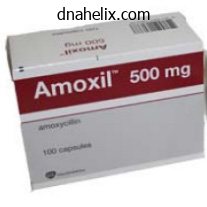
Amoxil dosages: 500 mg, 250 mg
Amoxil packs: 10 pills, 20 pills, 30 pills, 60 pills, 90 pills, 120 pills, 180 pills, 270 pills, 360 pills, 240 pills
Purchase amoxil without prescriptionAntibiotics with exercise against these organisms (but not in opposition to the worm itself) exert an antifilarial impact against both microfilariae and the adult worm, suggesting Wolbachia may be important for grownup worm survival and fertility. Rifampicin has antifilarial exercise in a mouse model, and is active in vivo towards Wolbachia in a drug screening assay utilizing the nematode Onchocerca gutturosa and in vitro utilizing an insect cell line naturally contaminated with Wolbachia pipientis, an arthropod endosymbiont intently related to the nematode Wolbachia (Hermans et al. When rifampicin is combined with amphotericin B, synergistic exercise could be demonstrated towards Aspergillus spp. Mutations in codons 526 and 531 are among the most incessantly reported mutations in most of the studies (Somoskovi et al. Some research have additionally reported mutations exterior of the hot-spot region of rpoB in rifampicinresistant M. However, the presence of rifampicin-resistant however rifabutin-susceptible isolates may be attributable to a breakpoint artifact (Schon et al. Molecular exams have been developed that present fast detection of rifampicin resistance as a end result of rpoB mutations in M. However, other investigators have reported that the organism is proof against clinically achievable rifampicin concentrations (Stevens et al. Rifampicin kills parasites shortly by retarding organellar improvement and stopping nuclear division (Dahl and Rosenthal, 2007; Goodman et al. The constructive predictive value (the proportion of cases identified as rifampicin resistant which might be really resistant) is > 90% in settings where the underlying prevalence of rifampicin resistance is > 15%, (but is probably even larger contemplating the restrictions of the reference standard). Other resistance mechanisms Not all resistance to the rifamycins is the outcomes of a mutation within the rpoB gene. In one trial, rifampicin was used alone for forty five days to deal with 11 patients with pulmonary tuberculosis; resistant strains have been detected in two patients and strains with diminished sensitivity to rifampicin in another four (Baronti and Lukinovich, 1968). Resistance to rifampicin and other drugs developed not solely in the strain that caused the initial illness, but additionally on account of reinfection with a new strain of M. It was subsequently reported more regularly, virtually all the time after primarily rifampicin monotherapy, and may have been underdetected because of the issue posed by testing of drug susceptibility by the mouse footpad approach (Ji, 2002). Primary rifampicin resistance (from untreated patients) has additionally been reported in M. The most common mutations are found within distinct regions (clusters) between amino acid positions 463 and 550 of S. This is a well-recognized consequence of rifampicin monotherapy and is the reason rifampicin ought to be administered with one other active antibiotic when treating an established staphylococcal infection. Susceptibility surveys present that rifampicin remains extremely active towards methicillin-sensitive S. Rifampicin non-susceptibility (as well as penicillin non-susceptibility) was extra common in trimethoprim�sulfamethoxazole nonsusceptible than prone S. Reports from Spain reveal that acquisition of rifampicin resistance can also outcome from switch of rifampicin-resistant pneumococcal clones between sufferers (Perez-Trallero et al. Concomitant tuberculosis treatment has been postulated as an element contributing to emergence of rifampicin-resistant pneumococci, however this has not been studied intimately (Garcia-Arenzana et al. Mutations in the rpoB gene have been recognized in resistant isolates (Aubry-Damon et al. For example, of 14,236 pneumococcal isolates from 4 Spanish hospitals, solely 103 (0. Rifampicin- Rifampicin is used extensively to clear nasal and pharyngeal carriage of meningococcus amongst contacts of a case of invasive meningococcal carriage (see part 7, Clinical makes use of of the drug). Rifampicin resistance could be very uncommon amongst main isolates from sufferers with meningococcal infection; for example, the speed has been consistently lower than 1% since 1992 in a nationwide surveillance program in Australia (Lahra and Enriquez, 2014), and a similar determine is reported in other studies (Enting et al. Meningococcal mutants highly proof against rifampicin may be easily selected in vitro (Ivler et al. However, rifampicin-resistant meningococcal illness has only been reported in ten sufferers who had been previously handled with rifampicin, or were contacts of those 2. Antimicrobial activity 2379 individuals, as mentioned in section 7, Clinical makes use of of the drug (Bordessoule et al. Molecular characterization of resistant isolates has demonstrated specific mutations within the rpoB gene (Carter et al.
Buy generic amoxil on-lineTreatment of small gut bacterial overgrowth and related signs by rifaximin. Non-absorbable antibiotics for managing intestinal fuel manufacturing and gas-related symptoms. A multicenter, doubleblind, randomized, placebo-controlled research of rifaximin for the treatment of bacterial vaginosis. Therapeutic effects and mechanisms of motion of rifaximin in gastrointestinal diseases. Impact of pretransplant rifaximin therapy on early post-liver transplant infections. Study of the in vitro activities of rifaximin and comparator agents against 536 anaerobic intestinal bacteria from the angle of potential utility in pathology involving bowel flora. A new-onset rash within the setting of rifaximin treatment for hepatic encephalopathy. A randomized, double-blind, placebo-controlled pilot study to assess the ability of rifaximin to prevent recurrent diarrhoea in patients with Clostridium difficile infection. Rifaximin in therapy of recurrent Clostridium difficile-associated diarrhea: an uncontrolled pilot examine. A evaluation of its antibacterial exercise, pharmacokinetic properties and therapeutic potential in conditions mediated by gastrointestinal bacteria. Rifaximin in sufferers with average or severe ulcerative colitis refractory to steroid-treatment: a double-blind, placebo-controlled trial. Relevant function of efflux pumps in excessive levels of rifaximin resistance in Escherichia coli clinical isolates. Helicobacter pylori an infection however not small intestinal bacterial overgrowth could play a pathogenic position in rosacea. Saccharomyces boulardii plus rifaximin in mesalamineintolerant ulcerative colitis. Probable interplay between warfarin and rifaximin in a patient treated for small intestine bacterial overgrowth. Antimicrobial activity and spectrum of rifaximin, a new topical rifamycin derivative. Use of rifamycin medicine and development of an infection by rifamycin-resistant strains of Clostridium difficile. Rifaximin for the remedy of energetic pouchitis: a randomized, double-blind, placebo-controlled pilot examine. Rifaximin-induced alteration of virulence of diarrhoea-producing Escherichia coli and Shigella sonnei. Rifaximin versus nonabsorbable disaccharide in the administration of hepatic encephalopathy: a metaanalysis. Interruption of recurrent Clostridium difficile-associated diarrhea episodes by serial remedy with vancomycin and rifaximin. Rifaximin redux: therapy of recurrent Clostridium difficile infections with rifaximin immediately post-vancomycin remedy. High-dose rifaximin therapy alleviates global signs of irritable bowel syndrome. Comparison of once a day rifaximin to twice a day dosage in the prevention of recurrence of hepatic encephalopathy in patients with continual liver illness. Systematic review with metaanalysis: the results of rifaximin in hepatic encephalopathy. Comparative efficacies of rifaximin and vancomycin for treatment of Clostridium difficile�associated diarrhoea and prevention of disease recurrence in hamsters. Rifaximin resistance in Escherichia coli associated with inflammatory bowel disease correlates with prior rifaximin use, mutations in rpoB, and activity of Phe-Arg-naphthylamide-inhibitable efflux pumps. Rifaximin modulates the vaginal microbiome and metabolome in ladies affected by bacterial vaginosis. Antibiotic therapy in small intestinal bacterial overgrowth: rifaximin versus metronidazole. A mixture of rifaximin and neomycin is handiest in treating irritable bowel syndrome patients with methane on lactulose breath check. Efficacy of rifaximin, a nonabsorbed oral antibiotic, within the treatment of small intestinal bacterial overgrowth. In vitro exercise of rifaximin, metronidazole and vancomycin in opposition to Clostridium difficile and the rate of choice of spontaneously resistant mutants against consultant anaerobic and cardio micro organism, including ammonia-producing species.
Syndromes - Tracheobronchitis
- Acute or severe illness
- Is it worse when breathing deeply?
- Heart failure
- Celiac sprue
- Erythema nodosum
- Provide your carbohydrates through foods that include fruits, vegetables, and complex carbohydrates (such as bread, cereal, pasta, and rice)
- Absence of a support network (family, close friends, or other support)
1000mg amoxil fast deliveryReport: prevalence and resistance of Pseudomonas aeruginosa towards varied antibiotics. Ofloxacin within the treatment of typhoid fever resistant to chloramphenicol and amoxicillin. The in-vitro actions of enoxacin and ofloxacin in contrast with that of ciprofloxacin. Survey of methicillin resistant coagulase adverse staphylococci isolated from the fingers of nursing students. In vitro and in vivo antimicrobial activity of topical ofloxacin and other ototopical agents. In vitro susceptibilities of isolates of Haemophilus ducreyi from Thailand and the United States to currently recommended and newer brokers for remedy of chancroid. Corneal penetration of fluoroquinolones: aqueous humor concentrations after topical utility of levofloxacin 0. Prospective comparative research of ofloxacin or ethambutol for the therapy of pulmonary tuberculosis. Gatifloxacin versus ofloxacin for the treatment of uncomplicated enteric fever in Nepal: an open-label randomized, managed trial. Effective monitoring of concentrations of ofloxacin in saliva of patients with chronic respiratory tract infections. In vitro activity of fluoroquinolones, vancomycin and gentamicin in opposition to methicillinresistant Staphylococcus aureus ocular isolates. In-vitro activities of tetracyclines, macrolides, fluoroquinolones and clindamycin in opposition to Mycoplasma hominis and Ureaplasma ssp. Mutations in the gyrA and parC genes of quinolone-resistant Neisseria gonorrhoeae isolates in India. In-vitro exercise of ofloxacin, a quinolone carboxylic acid compared to other quinolones and different antimicrobial brokers. Patterns of Helicobacter pylori isolate resistance to fluoroquinolones, amoxicillin, clarithromycin and metronidazole. Fluoroquinolone resistance of Serratia marcescens: involvement of a proton gradient-dependent efflux pump. Disposition of uric acid upon administration of ofloxacin alone and together with other anti-tuberculosis medication. Antimicrobial susceptibility of Propionobacterium acnes isolated from pimples vulgaris. In vitro actions of azithromycin and ofloxacin towards Chlamydia pneumoniae in a continuous-infection mannequin. Double-blind, randomized, placebo-controlled study of three-month therapy with the combination of ofloxacin and roxithromycin in recent-onset reactive arthritis. Differential aqueous and vitreous concentrations of moxifloxacin and ofloxacin aftere topical administration one hour before vitrectomy. A double-blind randomized examine comparing ofloxacin and amoxicillin in treating infective episodes in bronchiectasis. In vitro evaluation of activities of azithromycin, clarithromycin and sparfloxacin in opposition to Chlamydia trachomatis. The effect of ferrous sulphate on the absorption of norfloxacin, ciprofloxacin and ofloxacin. In vitro results of fluoroquinolone and aminoglycoside antibiotics on human keratocytes. Ofloxacin solution for persistent exit-site and tunnel an infection in peritoneal dialysis. Ofloxacin versus co-trimoxazole for prevention of infection in neutropenic patients following cytotoxic chemotherapy. Epidemiological and molecular characteristics of medical isolates of Streptococcus pyogenes collected between 2005 and 2008 from Chinese kids. Characteristics of Streptococcus pyogenes strains isolated from Chinese youngsters with scarlet fever.
Discount amoxil ukIn post-mortem samples from one patient obtained after three days of therapy, high concentrations of 200�300 �g/g of AmB were detected in spleen, liver, and lungs, whereas the concentrations in kidneys (6. At higher doses, experimental mycoses have been successfully treated when AmB deoxycholate was ineffective on the maximum tolerated dose and speedy fungicidal exercise was also demonstrated in experimental cryptococcal meningitis (Whitney et al. However, at 5- to 10-fold larger doses, drug accumulation in the lung clearly exceeded that achieved by 1 mg/kg of AmB deoxycholate (Clark et al. These variations in lung distribution are in preserving with pulmonary infection fashions, where the lipid formulations required at least 5-fold greater doses to produce equal or superior discount of the lung tissue burden or circulating fungus-related biomarkers than normal doses of AmB deoxycholate (Clemons and Stevens, 1991a; Clemons and Stevens, 1993; Francis et al. Of observe, the difference in pharmacokinetics in serum accounted for much of the difference in efficiency between the two formulations (Groll et al. Excretion See Chapter 141, AmB deoxycholate, for particulars about the excretion of AmB. Drug interactions Drug�drug interactions as a outcome of shared metabolic or elimination pathways are unknown for AmB. Hypokalemia could additionally be aggravated by corticosteroids and in flip can potentiate digoxin toxicity, trigger rhabdomyolysis, and enhance the effects of nondepolarizing muscle relaxants (Daneshmend and Warnock, 1983). Similarly, hypomagnesemia could become especially profound in most cancers patients with platinum-associated nephropathy. Impairment of glomerular filtration by AmB could enhance plasma levels and thereby toxicity of many renally cleared medication, similar to aminoglycosides, glycopeptides, calcineurin-inhibitors, pentamidine, and fluorocytosine (Groll et al. Finally, the simultaneous infusion of granulocytes has been associated with acute pulmonary reactions (Wright et al. Despite lowered nephrotoxicity when immediately compared to AmB deoxycholate at daily doses of 0. Organ System Common Inflammatory Kidney Gastrointestinal tract Hepatobiliary system Less frequent Skin and appendages Bone marrow Nervous system Cardiovascular Respiratory Musculoskeletal Immunologic Flushing; pores and skin rash Normochromic, normocytic anemia; thrombocytopenia Headache, convulsions, vestibular disturbances, leukencephalopathy Hypotension, hypertension, cardiac arrhythmia, cardiac arrest; Raynaud phenomenon Bronchospasm; dyspnea, chest tightness, hypoxemia; respiratory arrest Arthralgia, myalgia, back ache Anaphylaxis Fever, shaking chills, rigor Azotemia; tubular acidosis, hypostenuria, hypokalemia, hypomagnesemia Nausea, vomiting, anorexia Bilirubinemia; increases in serum ranges of alkaline phosphatase and hepatic transaminases Effect et al. Less common acute infusional adverse effects are hypotension, hypertension, flushing, vestibular disturbances, and a syndrome of substernal chest discomfort, respiratory misery, and sharp flank pain; bronchospasm, true anaphylaxis, apnea, and convulsions are uncommon (Sawaya et al. Impairment of renal function the hallmarks of AmB associated nephrotoxicity are azotemia (wasting of potassium and magnesium); tubular acidosis and impaired urinary focus ability are not often of medical significance (Butler et al. Relevant electrolyte losing occurred in approximately 12% of prospectively monitored patients receiving AmB deoxycholate (Walsh et al. Azotemia is a common adverse occasion following AmB and of appreciable scientific impression: of 239 immunosuppressed patients receiving AmB deoxycholate for suspected or proven aspergillosis for a median durations of treatment of 15 days, the creatinine level doubled in 53% of patients and exceeded 2. Use of hemodialysis, duration of AmB use, and concomitant use of nephrotoxic brokers had been associated with higher risk of death (Wingard et al. Concomitant therapy with potentially nephrotoxic brokers and a baseline S-Cr level of < 2 mg/dl have been components predisposing for the development of nephrotoxicity (Alexander % of sufferers per cohort Doubling nl to > 1. Changes in serum creatinine values associated with amphotericin B lipid advanced or amphotericin B deoxycholate therapy in a randomized comparative trial of invasive candidiasis. Assessed had been the chances of sufferers with doubling of the creatinine value, an increase from normal to > 1. Key safety endpoints of amphotericin B lipid advanced therapy in 556 circumstances with invasive mycoses. Among 548 kids and adolescents 0�20 years of age who have been enrolled into the registry, no important distinction between the charges of recent hemodialysis versus baseline hemodialysis was observed. In a comparability of 572 elderly patients > sixty five years of age with 2930 sufferers < or = sixty five years, both groups confirmed a zero. In this trial, liposomal AmB (3 mg/kg/d and 5 mg/kg/d) had decrease charges of nephrotoxicity (defined as a serum creatinine of two the baseline worth; 14. Further antagonistic occasions reported within the open label, emergency use program with an incidence of three and 10% embrace gastrointestinal disturbances, complications, and blood dyscrasias (Walsh et al. Similar to liposomal AmB, there have been individual observations of pseudohyperphosphatemia (Shiu et al. Risks in pregnancy and fetal toxicity AmB deoxycholate is the popular drug in life-threatening fungal infections in pregnant girls (Dean et al. It crosses the placenta readily and achieves therapeutic concentrations in the fetal circulation (Ismail et al. Accordingly, the compound must be used throughout pregnancy or breastfeeding only after careful risk�benefit analysis. Miscellaneous adverse reactions Independent of causal relationship, increases in serum bilirubin, alkaline phosphatase, and serum transaminases have 7.
Cheap 650mg amoxil visaSexually transmitted illnesses Older studies of enoxacin for the therapy of gonorrhea have revealed high levels of cures, though will increase in charges of fluoroquinolone-resistant isolates have led to this class of medicine being not suitable for this indication in many areas (Albrecht et al. Enoxacin four hundred mg twice daily for three doses is as efficient as a single dose of 640/3200 mg trimethoprim/sulfamethoxazole in the treatment of chancroid in Kenya. Both regimens resulted in improvement or treatment in 91�94% of circumstances 2176 Enoxacin (Naamara et al. However, different agents similar to azithromycin or ceftriaxone are typically most popular for this indication. Bacterial diarrhea Similar to other fluoroquinolones, enoxacin is efficient remedy for fluoroquinolone-susceptible typhoid fever, as properly as dysentery as a outcome of Shigella spp. Respiratory tract infection Enoxacin, like different fluoroquinolones, is efficient towards Gram-negative respiratory infections, however has unreliable activity towards Gram-positive pathogens and is subsequently an inappropriate alternative for the treatment of routine community-acquired pneumonia, during which these latter pathogens typically predominate (Thys et al. Enoxacin is comparable in efficacy to amoxicillin for the treatment of acute exacerbations of persistent bronchitis because of vulnerable Gram-negative pathogens (Prigogine et al. Enoxacin has been used successfully in combination with co-trimoxazole to treatment a case of pneumonia due to M. Other infections Similar to different fluoroquinolones (see Chapter one hundred and one, Ciprofloxacin), enoxacin markedly reduces colonic colonization with Enterobacteriaceae, and may be efficient prophylaxis in opposition to colonic infections in immunocompromised sufferers (Edlund et al. In a double-blind, placebo-controlled trial of oral enoxacin in grownup patients with acute nonlymphocytic leukemia, considerably fewer sufferers receiving enoxacin developed Gramnegative bacteremia or infection at any website, compared to those receiving placebo (Talbot et al. Enteric fever in Karachi: current antibiotic susceptibility of Salmonellae isolates. Occurrence of fluoroquinolones and fluoroquinolone-resistance genes within the aquatic surroundings. Double blind, randomised trial evaluating single dose enoxacin and trimethorpim for therapy of bacterial cystitis. An analysis of pelvic tissue concentrations after oral administration of enoxacin. Enoxacin relieves symptoms of recurrent urinary infections more quickly than cefuroxime axetil. Fluoroquinolone resistance among methicillin-resistant staphylococci after utilization of fluoroquinolones apart from ciprofloxacin in Taiwan. In vivo diffusion of enoxacin in wholesome renal and adenomatous prostate tissue in man. In vitro activity of enoxacin, a quinolone carboxylic acid, in contrast with those of norfloxacin, new beta-lactams, aminoglycosides, and trimethoprim. Comparison of enoxacin and ceftriaxone within the remedy of uncomplicated gonorrhea. A multicenter, double-blind, trimethoprim�sulfamethoxazole controlled study of enoxacin within the therapy of sufferers with complicated urinary tract infections. Serum and sputum concentrations of enoxacin after single oral dosing in a medical and bacteriological study. Pharmacokinetics and sputum penetration of enoxacin after twice day by day oral dosing for seven days. Prevention of subsequent urinary tract infections in girls by means of anti-adherence antimicrobial agents: a double-blind comparability of enoxacin with co-trimoxazole. Comparative in vitro actions of ciprofloxacin, enoxacin, norfloxacin, ofloxacin and pefloxacin towards Bacteroides fragilis and Clostridium difficile. In-vitro sensitivity of legionellas, meningococci and mycoplasmas to ciprofloxacin and enoxacin. Contamination of surface, floor, and consuming water from pharmaceutical manufacturing. An open research of the safety and efficacy of enoxacin in complicated urinary tract infections. Comparative in vitro activities of 20 fluoroquinolones against Mycobacterium leprae. Patterns of susceptibility to fluoroquinolones among anaerobic bacterial isolates within the United States. Comparative exercise of the quinolones against anaerobic micro organism isolated at group hospitals.
Buy generic amoxil 1000mgDrug distribution Urine concentrations are excessive, being in the range of 20�28 �g/ml within the 24 hours after a single dose, and rising to 43�60 �g/ml after nine days of use. Penetration into inflammatory fluid, bronchial mucosa, alveolar macrophages, respiratory epithelial lining cells, prostatic tissue, and bile is excessive, reaching levels of at least 90% of serum concentrations (Boerema et al. Concentrations of rufloxacin in cerebrospinal fluid are typically talking a minimum of zero. Rufloxacin seems to trigger extra insomnia than some other fluoroquinolones (Rafalsky et al. Phototoxicity is also widespread, with latest research suggesting important rufloxacin-induced mutagenesis in in vitro fashions (Catalfo et al. Clinically essential pharmacokinetic and pharmacodynamic features There have been no detailed pharmacokinetic or pharmacodynamic research undertaken to assess the impact of pharmacokinetic/pharmacodynamic options of rufloxacin on its clinical efficacy. Because of its longer half-life, a single dose of rufloxacin was equal (in respect of scientific success) to 3 days of norfloxacin administration for uncomplicated decrease urinary tract infections (Del Rio et al. In a meta-analysis of fluoroquinolones given for uncomplicated acute cystitis in ladies, few of the research assessed rufloxacin. Rufloxacin was inferior to norfloxacin when used as weekly prophylaxis in opposition to spontaneous bacterial peritonitis (Bauer et al. Rufloxacin has been used as a element of a quadruple remedy "rescue" routine within the therapy of Helicobacter pylori�infected dyspepsia patients (Gu et al. However, there are numerous other fluoroquinolones with activity against this illness. Rufloxacin as quickly as every day versus ciprofloxacin twice every day within the treatment of sufferers with acute uncomplicated pyelonephritis. Mean concentrations of rufloxacin in urine 0�6, 6�12, 12�24, and 48 hours following such a dose are 22. After multidosing regimens of a 400- or 600-mg loading dose adopted by a 200- or 300-mg every day dose for 9 days, 49. Urine concentrations at 0�2 hours, 12�24 hours, and three days after the final dose of the 400/200- and 600/300-mg regimens have been forty three. Daily norfloxacin is simpler than weekly rufloxacin in prevention of spontaneous bacterial peritonitis recurrence. An open multicentre examine on the efficacy and safety of rufloxacin in patients with persistent bacterial prostatitis. Single-dose rufloxacin versus 3-day norfloxacin therapy of uncomplicated cystitis: scientific evaluation and pharmacodynamic issues. Quadruple remedy with medicines containing both rufloxacin or furazolidone as a rescue regimen within the therapy of Helicobacter pylori�infected dyspepsia patients: a randomized pilot examine. Inter- and intrasubject variabilities in the pharmacokinetics of rufloxacin after single oral administration to wholesome volunteers. Double-blind, comparative study of rufloxacin as quickly as day by day versus amoxicillin three times a day in treatment of outpatients with exacerbations of chronic bronchitis. Rufloxacin once-daily versus ofloxacin twice-daily for remedy of difficult cystitis and upper urinary tract infections. Penetration of rufloxacin into the cerebrospinal fluid in sufferers with infected and uninflamed meninges. In vitro activity of enoxacin versus ciprofloxacin, fleroxacin, lomefloxacin, ofloxacin, pefloxacin, and rufloxacin against uropathogens. A multinational European survey on the in-vitro activity of rufloxacin and different comparative antibiotics on respiratory and urinary bacterial pathogens. Photosensitization induced by the antibacterial fluoroquinolone rufloxacin leads to mutagenesis in yeast. Comparative in-vitro activity of rufloxacin with five different antimicrobial brokers towards bacterial enteric pathogens. The penetration of rufloxacin into sites of potential an infection within the respiratory tract. Pharmacokinetics and tissue penetration of rufloxacin, a protracted appearing quinolone antimicrobial agent. The main potential benefits of sparfloxacin over older fluoroquinolones are its improved activity towards Gram-positive pathogens (such as Strepto coccus pneumoniae and Staphylococcus aureus), Mycobacteria, and Chlamydia spp. Sparfloxacin is usually active towards Haemophilus influenzae (regardless of beta-lactamase production), Moraxella catarrhalis, Yersinia enterocolitica, and Haemophilus ducreyi.
Cinnamon Essential Oil (Cassia Cinnamon). Amoxil. - Loss of appetite, muscle and stomach spasms, bloating, intestinal gas, vomiting, diarrhea, common cold, impotence, bed wetting, menstrual complaints, chest pain, high blood pressure, kidney problems, cancer, and other conditions.
- Are there any interactions with medications?
- Dosing considerations for Cassia Cinnamon.
- Diabetes.
- How does Cassia Cinnamon work?
- What is Cassia Cinnamon?
Source: http://www.rxlist.com/script/main/art.asp?articlekey=96963
Order amoxil once a dayPefloxacin versus imipenem within the therapy of nosocomial lung infections of intensive care unit patients. Pefloxacin versus ceftazidime within the remedy of a wide range of Gram-negative-bacterial infections. Pharmacokinetics of intravenously administered pefloxacin in the prostate; perspectives for its software in surgical prophylaxis. In vitro susceptibility of Coxiella burnetii to linezolid compared with its susceptibilities to quinolones, doxycycline, and clarithromycin. Effects of norfloxacin or pefloxacin on the oral and intestinal microflora of bone marrow transplant sufferers. Comparative antimycobacterial activities of difloxacin, temafloxacin, enoxacin, pefloxacin, reference fluoroquinolones, and a model new macrolide, clarithromycin. Short-term pefloxacin remedy in Madagascan children with shigellosis due to multiresistant organisms. In vitro susceptibilities of Bordetella pertussis and Bordetella parapertussis to seven fluoroquinolones. Effect of an antacid containing magnesium and aluminum on absorption, metabolism, and mechanism of renal elimination of pefloxacin in people. Randomized, double-blind comparison of single-dose regimens of rufloxacin and pefloxacin for acute uncomplicated cystitis in women. Activity of pefloxacin and thirteen different antimicrobial agents in vitro in opposition to isolates from hospital and genitourinary infections. Antimicrobial exercise and interplay of pefloxacin and its principal metabolites. Steady-state levels of pefloxacin and its metabolites in sufferers with severe renal impairment. Fluoroquinolones versus beta-lactam based regimens for the treatment of osteomyelitis: a meta-analysis of randomized controlled trials. Non-nephrotoxic empiric antimicrobial remedy in febrile neutropenic cancer sufferers. Efficacy and safety of pefloxacin within the therapy of severe infections in sufferers hospitalized in intensive care models. Clonal expansion and microevaluation of quinolone-resistant Salmonella enterica serotype Typhi in Vietnam from 1996 to 2004. Adverse drug reactions related to the utilization of fluoroquinolone antimicrobials: an evaluation of spontaneous reviews and fluoroquinolone consumption information from three Italian areas. Monotherapy with pefloxacin in multidrug-resistant nosocomial Gram-negative bacteraemia. Ventriculitis caused by Klebsiella pneumoniae efficiently handled with pefloxacin in a neonate. Intraperitoneal vancomycin/oral pefloxacin versus intraperitoneal vancomycin/gentamicin in the remedy of steady ambulatory peritoneal dialysis peritonitis. Pefloxacin within the remedy of nosocomial decrease respiratory tract infections in intensive care sufferers. Absorption, distribution, metabolic fate, and elimination of pefloxacin mesylate in mice, rats, dogs, monkeys, and humans. Penetration of pefloxacin and its desmethyl metabolite into the uroepithelium after a 800-mg single oral dose in human patients. Oral toxicity of pefloxacin, norfloxacin, ofloxacin and ciprofloxacin: comparability of biomechanical and histopathological results on Achilles tendon in rats. Increasing resistance to quinolones: A four-year potential examine of urinary tract infection pathogens. Some plasma and saliva pharmacokinetics parameters of rifampicin within the presence of pefloxacin. Accumulation of pefloxacin within the decrease respiratory tract demonstrated by bronchoalveolar lavage. Activities of 13 quinolones by three susceptibility testing methods against a group of Haemophilus influenzae isolates with different levels of susceptibility to ciprofloxacin: evidence for cross-resistance. An uncontrolled trial of pefloxacin in the retreatment of patients with pulmonary tuberculosis. Evaluation of the therapeutic effect of pefloxacin in comparison with ampicillin and 7. Clinical makes use of of the drug 2289 gentamicin in cirrhotic sufferers with spontaneous bacterial peritonitis.
Purchase amoxil master cardSubsequently, it was recognized to have essential sterilizing activity and a valuable treatmentshortening impact. Rifampicin (see Chapter 126, Rifampicin (rifampin)) turned obtainable for the therapy of tuberculosis in the late Nineteen Sixties. This was one other bactericidal drug, but like all other antituberculosis drugs, its use by itself resulted within the emergence of resistant strains. For a time period rifampicin was regarded only as one other first-line antituberculosis drug. In many nations standard chemotherapy then turned isoniazid and rifampicin for 18 months plus streptomycin or ethambutol for the first 2�4 months. Streptomycin was added if there was in depth cavitary illness or if drug-resistant illness was a consideration (Bailey et al. However, it was soon recognized that rifampicin and isoniazid were as effective as any three-drug routine for the treatment of in depth cavitary illness (Bailey et al. Similarly, after preliminary therapy with isoniazid, rifampicin, and ethambutol, continuation remedy for 1 12 months with day by day isoniazid and ethambutol was just as efficient as day by day isoniazid and rifampicin for a similar period (Lees et al. Since the early 1970s a sequence of rigorously deliberate, managed studies, many beneath the auspices of the British Medical Research Council (Fox and Mitchison, 1975; Fox, 1978; Somner, 1980), demonstrated the effectiveness of short-course chemotherapy. Attempts to reduce the treatment course of rifampicin and isoniazid to 6 months resulted in an unacceptably high relapse rate of 9% (Snider et al. The British Thoracic Association (1982) also demonstrated that 6-month regimens of isoniazid and rifampicin, supplemented for the primary 2 months by streptomycin plus pyrazinamide or by ethambutol plus pyrazinamide, have been as effective as a 9-month every day routine of isoniazid plus rifampicin. Further trials confirmed that the inclusion of streptomycin or ethambutol during the preliminary treatment part is essential only to cowl the potential for isoniazid resistance (Stead and Dutt, 1982). Attempts to shorten antituberculosis chemotherapy to lower than 6 months have generally been disappointing. The relapse charges after 12 months for these three regimens had been 6%, 7%, and 2%, respectively (Mehrotra et al. Subsequently, in Madras, 5- and 7-month regimens were tried with and without rifampicin. Rifampicin, streptomycin, isoniazid, and pyrazinamide were given every day for 2 months, adopted by streptomycin, isoniazid, and pyrazinamide twice weekly for either 3 or 5 months; a 3rd routine was the identical as the 7-month one however rifampicin was not included. None of the sufferers who had received a 7-month regimen had a bacteriologic relapse, whereas the relapse price was 5% in those who had a 5-month remedy (Tuberculosis Research, 1983). Further studies of short-course remedy in Madras, in which streptomycin, rifampicin, isoniazid, and pyrazinamide have been used daily for three months, resulted in a excessive relapse fee (Tripathy, 1983; Tuberculosis Research Centre, 1986; Balasubramanian et al. Multiple studies have found that 4-month regimens together with a fluoroquinolone changing either ethambutol or isoniazid were inferior to commonplace 6-month short-course therapy (Warner and Mizrahi, 2014). The effectiveness of short-course chemotherapy depends very much on patient adherence to remedy (Chan et al. This regimen can be tailored for intermittent therapy, and such day by day or intermittent remedy is now extensively really helpful (Combs et al. Such regimens have been used effectively in creating nations because the early Sixties, but if inadequately supervised, the outcomes of treatment may be poor (Gangadharam, 1994). Intermittent regimens were usually preceded by 2�3 months of every day multidrug therapy. When twice-weekly isoniazid (15 mg/kg) and ethambutol (45 mg/kg) have been used after an initial 2-week course of daily streptomycin, ethambutol, and isoniazid, for a course of complete duration of 12 months, results were much less satisfactory 7. Clinical makes use of of the drug 2335 than those obtained with the highly effective daily isoniazidethambutol regimen (Tuberculosis Research/Madras, 1981). Regimens together with twice- or thrice-weekly rifampicin and isoniazid within the continuation part have demonstrated equivalent relapse charges to day by day therapy in a selection of studies (Snider et al. If intermittent remedy for pulmonary tuberculosis with isoniazid, rifampicin, and pyrazinamide is began from the beginning, with out daily therapy in any respect, results appear marginally less satisfactory. The outcomes of remedy are improved if for the first 2 months intermittent streptomycin 1. However, a routine of 4 medication (isoniazid 600 mg, rifampicin 600 mg, pyrazinamide 2.
Purchase amoxil without prescriptionPharmacokinetics of ofloxacin in wholesome subjects and patients with impaired renal perform. A controlled study of rifabutin and an uncontrolled research of ofloxacin in the retreatment of patients with pulmonary tuberculosis proof against isoniazid, streptomycin and rifampicin. Single-dose and three-day regimens of ofloxacin versus trimethoprim-sulfamethoxazole for acute cystitis in women. In vitro susceptibilities of Bordetella pertussis and Bordetella parapertussis to 4 fluoroquinolones (levofloxacin, d-ofloxacin, ofloxacin and ciprofloxacin), cefpirome, and meropenem. Sequential acquisition of norfloxacin and ofloxacin resistance by methicillin-resistant and -susceptible Staphylococcus aureus. Stereoselective determination of ofloxacin and its metabolites in human urine by capillary electrophoresis utilizing laser induced fluorescence detection. Evaluation of the short-term effects of antimicrobial stewardship in the intensive care unit at a tertiary hospital in China. Increased multi-drug resistant Escherichia coli from hospitals in Khartoum state, Sudan. Active efflux of ofloxacin by a extremely quinolone-resistant pressure of Proteus vulgaris. Increased isolation of Vibrio cholerae O1 serotype Inaba over serotype Ogawa in Pakistan. Clinical trial of ofloxacin alone and together with dapsone plus clofazimine for treatment of lepromatous leprosy. Treatment outcomes and moxifloxacin susceptibility in ofloxacin-resistant multidrug-resistant tuberculosis. Emergence of a fluoroquinolone-resistant strain of Streptococcus pneumoniae in England. In vitro activity of ciprofloxacin and ofloxacin in opposition to the Mycobacterium avium-intracellulare complicated. Prevalence of necessary pathogens and antimicrobial activity of parenteral medicine at quite a few medical centers within the United States. Empiric therapy of uncomplicated urinary tract an infection with fluoroquinolones in older girls in Israel: another misplaced treatment option Ofloxacin: serum and skin blister fluid pharmacokinetics in the fasting and non-fasting state. Rapid decline in penicillinaseproducing Neisseria gonorrhoeae in Hong Kong related to emerging 4-fluoroquinolone resistance. Stepwise lower in moxifloxacin susceptibility amongst clinical isolates of multidrug-resistant Mycobacterium tuberculosis: correlation with ofloxacin susceptibility. Anti-tuberculosis drug resistance in Bangladesh: reflections from the primary nationwide research. Multiple dose kinetics of ofloxacin and ofloxacin metabolites in haemodialysis patients. Pharmacokinetics of ofloxacin and adequacy of upkeep dose for patients on haemodialysis. Ofloxacin plus rifampicin versus doxycycline plus rifampicin within the treatment of brucellosis: a randomised scientific trial. Prevalence and antibiotic susceptibility of genital Mycoplasma hominis and Ureaplasma urealyticum in a university hospital in Turkey. Cotrimoxazole and quinolone resistance in Escherichia coli isolated from urinary tract infections during the last ten years. Treatment of acute biliary tract infections with ofloxacin: a randomised controlled medical trial. Fluoroquinolones versus -lactam primarily based regimens for the therapy of osteomyelitis. Histological examination on Achilles tendon lesions induced by quinolone antibacterial brokers in juvenile rats. Inhibitory impact of ofloxacin on acute exacerbations of chronic respiratory tract infections compared with erythromycin.
Order amoxil 500mg free shippingCaspofungin is then slowly released from tissues and metabolized with a t1/2 (terminal elimination half-life) of 40�50 hours (Stone et al. Caspofungin has been safely tolerated at daily dosages of 150�200 mg/day (Cancidas, 2015; Betts, 2009;Cornely et al. Excretion Caspofungin is slowly metabolized by hydrolysis and N-acetylation (Cancidas, 2015). Two single-dose radiolabeled pharmacokinetic studies were performed that collected plasma, urine, and fecal samples for 27 days following a dose of [3H] caspofungin acetate (Cancidas, 2015). Consistent with limited metabolism or excretion of the drug within the first 24 hours, plasma concentrations and radioactivity were unchanged for forty eight hours after dosing, but then declined to undetectable concentrations at 6�8 days and were undetectable at 22. After a single dose of [3H] caspofungin, 35% of the drug was recovered in the feces and 41% was recovered within the urine as primarily degradation merchandise. As such, echinocandins have a lower danger for pharmacokinetic drug�drug interactions compared with different systemic antifungals. Clinically essential pharmacokinetic and pharmacodynamics features Caspofungin exhibits dose-proportional linear pharmacokinetics following i. By day 14, a 14�31% reduction in caspofungin exposures is obvious as the induction results of rifampin predominate. Finally, tacrolimus concentrations are decreased by approximately 20% during concomitant administration with caspofungin through an unknown mechanism. Close monitoring of tacrolimus concentrations and dosage adjustment are really helpful in sufferers receiving caspofungin (Cancidas, 2015). Fever is more common with caspofungin than the other echinocandins, with rates starting from three. Local infusion site irritation could be problematic when administering caspofungin, significantly if given by way of a peripheral catheter. Reports of flushing, sizzling flashes, and phlebitis have ranged from 2% to 12% for caspofungin-treated sufferers. Postmarketing reviews for caspofungin have also included uncommon cases of erythema multiforme, Stevens�Johnson syndrome, and pores and skin exfoliation. However, the contribution of the drug to these reported reactions is unsure (Cancidas, 2015). In comparative trials versus amphotericin B, lipid formulations of amphotericin B, or fluconazole, treatment-related opposed effects had been typically much less frequent in patients randomized to the echinocandin arms versus the comparators. For caspofungin, the overall security has been assessed in 2928 grownup sufferers in varied clinical studies and 394 individuals in part I research (Cancidas, 2015). Hypokalemia has been reported in 2�11% of echinocandin-treated sufferers, maybe associated to modest antiproliferative results of those drugs on distal renal tubular cells (Wegner et al. Hepatic results Asymptomatic elevations of aminotransferases (7�14%) and alkaline phosphatase (4�12%) are the most frequently reported laboratory antagonistic effects in wholesome volunteers and patients treated with caspofungin (Cancidas, 2015). In general, the frequency of elevated serum aminotransferases or alkaline phosphatase is decrease in caspofungin-treated sufferers versus comparator agents-amphotericin B, lipid amphotericin B formulations, voriconazole, itraconazole, or fluconazole (Wang et al. Although uncommon, clinically important hepatitis, hepatomegaly, hyperbilirubinemia, and hepatic failure have been reported in postmarketing surveillance with caspofungin; however, a causal position for the echinocandins is difficult to determine in patients with a quantity of medicines and comorbidities. As a outcome, a warning was added to the package deal insert for caspofungin that liver perform checks ought to be carefully monitored in patients receiving this mix (Cancidas, 2015). Gastrointestinal unwanted effects Nausea, vomiting, diarrhea, and abdominal ache have been reported in roughly 1�3% of sufferers receiving caspofungin however are hardly ever severe enough to warrant discontinuation of drug remedy (Cancidas, 2015). Less incessantly reported gastrointestinal results include dyspepsia, heartburn, constipation, anorexia, dry mouth, dysgeusia, flatus, and bloating. Rash and hypersensitivity reactions All echinocandins have the potential for inducing hypersensitivity reactions, as histamine launch is a frequent biological impact with administration of polypeptide compounds (Denning, 2003). Rash, facial swelling, pruritus, and flushing had been reported in 2% of caspofungin-treated patients, and rarely bronchospasm and anaphylaxis (Cancidas, 2015). In most patients these reactions are transient and easily managed by slowing the 7.
|